
Nepal's Major Parties Unveil Manifestos Ahead of March 5 Election
The Communist Party of Nepal (Unified Marxist–Leninist) (CPN -UML), is led by deposed Prime Minister K P Sharma Oli and the newest Rastriya Swatantra Party (RSP) is led by Ravi Lamichhane.
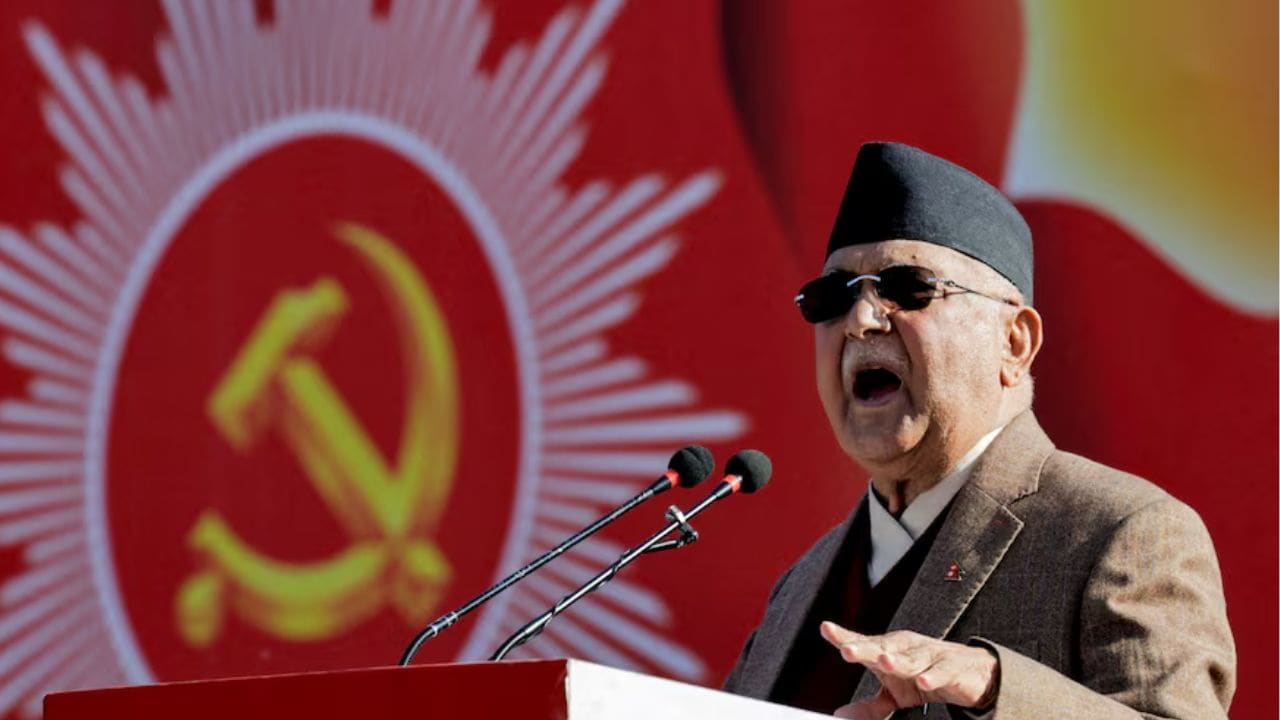
Releasing the party's election manifesto in Kathmandu, CPN-UML Chairman Oli claimed that the party is determined to build rather than destroy and burn the country.
The CPN-UML has given priority to areas of good governance, development, employment generation and social justice, which, the largest communist party said, were initiated when it was in power but could not be completed mainly due to political instability.
In its election manifesto, the party has also mentioned providing employment opportunities to one million youths within a period of five years.
The manifesto included 11 immediate tasks, five fundamental tasks, and 25 pledges.
"The party will utilise the state institutions to lead the work of transforming the face of the country, based on the party's past experiences and practices," says the manifesto.
Disciplined labour, citizen-friendly housing, expansion of industrial areas, advanced farming, quality education, and digital infrastructure development are among the 25 bases of prosperity as envisioned by the party.
The CPN-UML said it is committed to developing an industrial ecosystem to promote competitive industrial capacity.
Meanwhile, RSP President Lamichhane and the party's prime ministerial candidate Balendra Shah unveiled the election manifesto with 100-point commitments during a public meeting in Surkhet district of Karnali province.
The party's commitment paper aims to initiate the process of constitution amendment by forging national consensus for establishing a political system based on a directly elected executive head, a fully proportionate parliament and non-partisan local bodies.
It envisions short-term, mid-term and long-term energy trade agreements with neighbouring countries by forging bilateral and regional collaborations with India and Bangladesh, pursuing energy diplomacy.
On the foreign policy front, the party aims to pursue balanced and dynamic diplomacy to transform changing geopolitics and the emergence of neighbouring powers into development opportunities for the country.
The party also aims to construct an East-West electric railway line for transporting passengers and goods and to connect the country's major cities including Kathmandu and those in southern Nepal with Indian and Chinese railway networks.
Government service delivery will be provided to the people online, the commitment paper says, adding that the party aims to build a neutral, professional and accountable public service system by disassociating bureaucracy from politics.
The party also aims to promote digital economy to attain high economic growth, increase productivity and create quality employment opportunities.
In its election manifesto released on Wednesday, the Himalayan nation's largest democratic party, Nepali Congress, gave the slogan of "sustainable infrastructure, strong economy, secure future, and developed Nepal."
The party said it prioritises economic growth, living standards of the people, residential and urban development, energy promotion and connectivity expansion.
Party president and the prime ministerial candidate Gagan Thapa released the manifesto.
0 Response to "Nepal's Major Parties Unveil Manifestos Ahead of March 5 Election"
Post a Comment
Disclaimer Note:
The views expressed in the articles published here are solely those of the author and do not necessarily reflect the official policy, position, or perspective of Kalimpong News or KalimNews. Kalimpong News and KalimNews disclaim all liability for the published or posted articles, news, and information and assume no responsibility for the accuracy or validity of the content.
Kalimpong News is a non-profit online news platform managed by KalimNews and operated under the Kalimpong Press Club.
Comment Policy:
We encourage respectful and constructive discussions. Please ensure decency while commenting and register with your email ID to participate.
Note: only a member of this blog may post a comment.