
EC in SC Defends SIR in Bengal, Tamil Nadu; Terms Disenfranchisement Claims ‘Exaggerated’
A bench comprising Chief Justice Surya Kant and Justice Joymalya Bagchi on November 11 had sought separate responses from the poll panel on the pleas filed by the DMK, CPI(M), the West Bengal unit of the Congress and Trinamool Congress (TMC) leaders, challenging the SIR exercise in Tamil Nadu and West Bengal respectively.
Filing separate affidavits in the top court, Pawan Diwan, the Secretary of the Election Commission, sought dismissal of the petitions filed against the poll panel's decisions to conduct SIR.
In an 81-page counter-affidavit filed on November 26 in a petition by TMC MP Dola Sen and others, the poll panel said the narrative alleging widespread disenfranchisement in West Bengal was being “amplified to serve vested political interests”.
“That it is submitted, that a harmonious reading of Articles 324 and 326 read with Sections 16, 19, and 22 of RP Act 1950, read with Rule 21 A, makes it clear that the ECI is vested with powers to assess the eligibility of the electors including citizenship for enabling the constitutional right to vote. The guidelines issued with respect to the SIR exercise are constitutional and in the interest of maintaining the purity of electoral rolls which is a pre-requisite for free and fair elections that form a basic feature of the Constitution,” it said.
The poll panel said its powers to undertake such revisions are firmly grounded in Articles 324 and 326 of the Constitution, and in various provisions of the Representation of the People Act, 1950, and the Registration of Electors Rules.
In its affidavits, the poll panel said, “Under Article 324 of the Constitution, the superintendence, direction and control of the preparation of electoral rolls for, and the conduct of, all elections to Parliament and to the Legislature of every state are vested in the Election Commission of India.” The constitutional provision forms the bedrock of the Election Commission's plenary authority in all matters relating to the preparation of electoral rolls and conduct of elections, it said.
These provisions, it said, not only authorise but require the Commission to assess voter eligibility, including citizenship, to maintain the “purity of electoral rolls,” which the top court has recognised as essential to free and fair elections. The affidavits said the present SIR is being conducted under orders issued on 24 June and 27 October 2025 using powers vested in the Commission under Article 324 and Section 21(3) of the RP Act.
The EC stressed that the preparation and revision of electoral rolls is a “cooperative and participatory exercise”, and that only those electors who cannot trace their eligibility to the last nationwide SIR conducted in 2002 are required to sign enumeration forms and later submit documents if asked.
The affidavits emphasised that eligibility under Article 326—citizenship, age, residency and absence of disqualification—is presumed unless contrary inputs are received. Therefore, allegations of arbitrary classification or violation of Article 14 were “misconceived”, it said.
“That the SIR exercise adds to the purity of elections by weeding out ineligible persons from the electoral roll. The entitlement to vote flows from Article 326 read with Sections 16 and 19 of the RP Act 1950 and Section 62 of the RP Act 1951...,” it said.
Refuting accusations of up to 30 per cent voter exclusion in West Bengal, the Commission revealed that 99.77 per cent of existing electors had already been supplied pre-filled enumeration forms and 70.14 per cent of forms had been received back. These data points, the EC stated, “demonstrate that errors, under-inclusiveness and mass disenfranchisement claimed by the petitioner are highly exaggerated”.
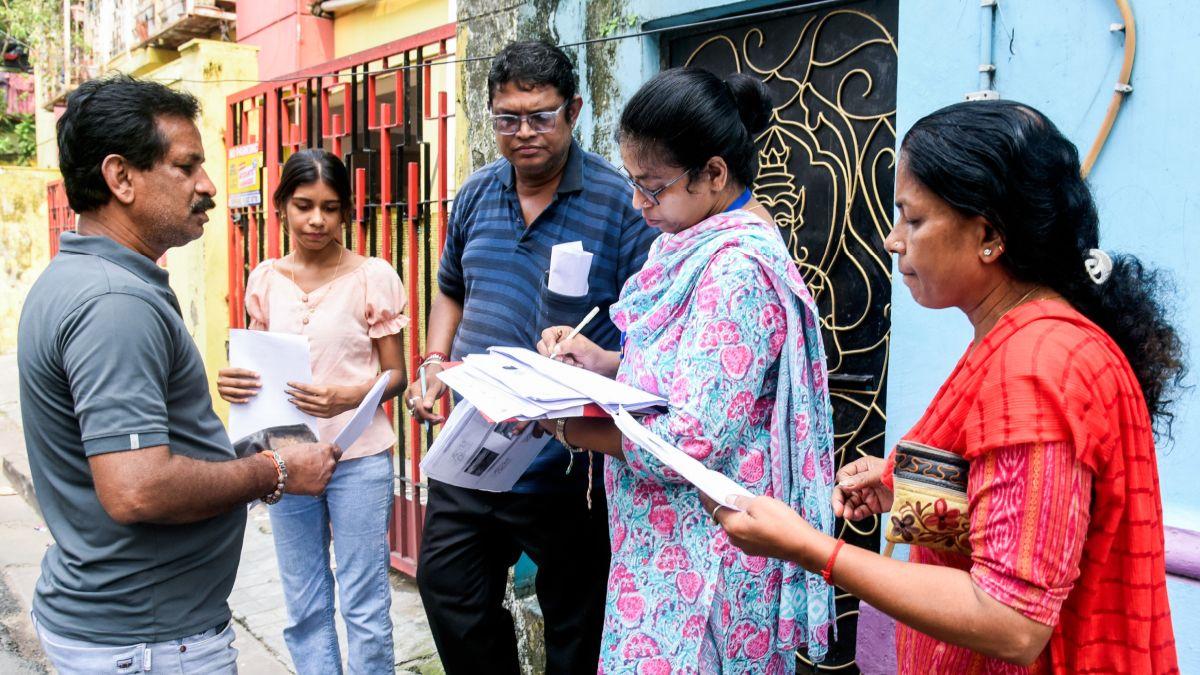
The affidavit details that booth level officers (BLOs) must visit each household, leave repeated notices at locked homes and attempt contact at least three times. The BLOs are expressly barred from collecting documents during enumeration, a safeguard added in the Phase-II SIR order dated October 27, 2025.
Electors who are absent during BLO visits can have forms submitted by family members, or file them online via the EC portal or mobile app, it said.
Instructions have also been issued to ensure that the elderly, disabled and vulnerable citizens receive all necessary assistance, it said.
In two separate affidavits, the poll panel defended SIR in Tamil Nadu. The ECI reiterated that the nationwide revision is being conducted after a gap of more than 20 years. The pan-India SIR was launched through an order dated June 24 beginning with Bihar. Phase-II, covering 12 states including Tamil Nadu, West Bengal and Uttar Pradesh, commenced after a follow-up order on October 27, it added.
0 Response to "EC in SC Defends SIR in Bengal, Tamil Nadu; Terms Disenfranchisement Claims ‘Exaggerated’"
Post a Comment
Disclaimer Note:
The views expressed in the articles published here are solely those of the author and do not necessarily reflect the official policy, position, or perspective of Kalimpong News or KalimNews. Kalimpong News and KalimNews disclaim all liability for the published or posted articles, news, and information and assume no responsibility for the accuracy or validity of the content.
Kalimpong News is a non-profit online news platform managed by KalimNews and operated under the Kalimpong Press Club.
Comment Policy:
We encourage respectful and constructive discussions. Please ensure decency while commenting and register with your email ID to participate.
Note: only a member of this blog may post a comment.