
West Bengal to implement revised school curriculum from 2028 under NEP framework
School Education Minister Deepak Barman also said that the government would not prescribe any specific colour scheme for uniforms, and the institutes can decide on that.
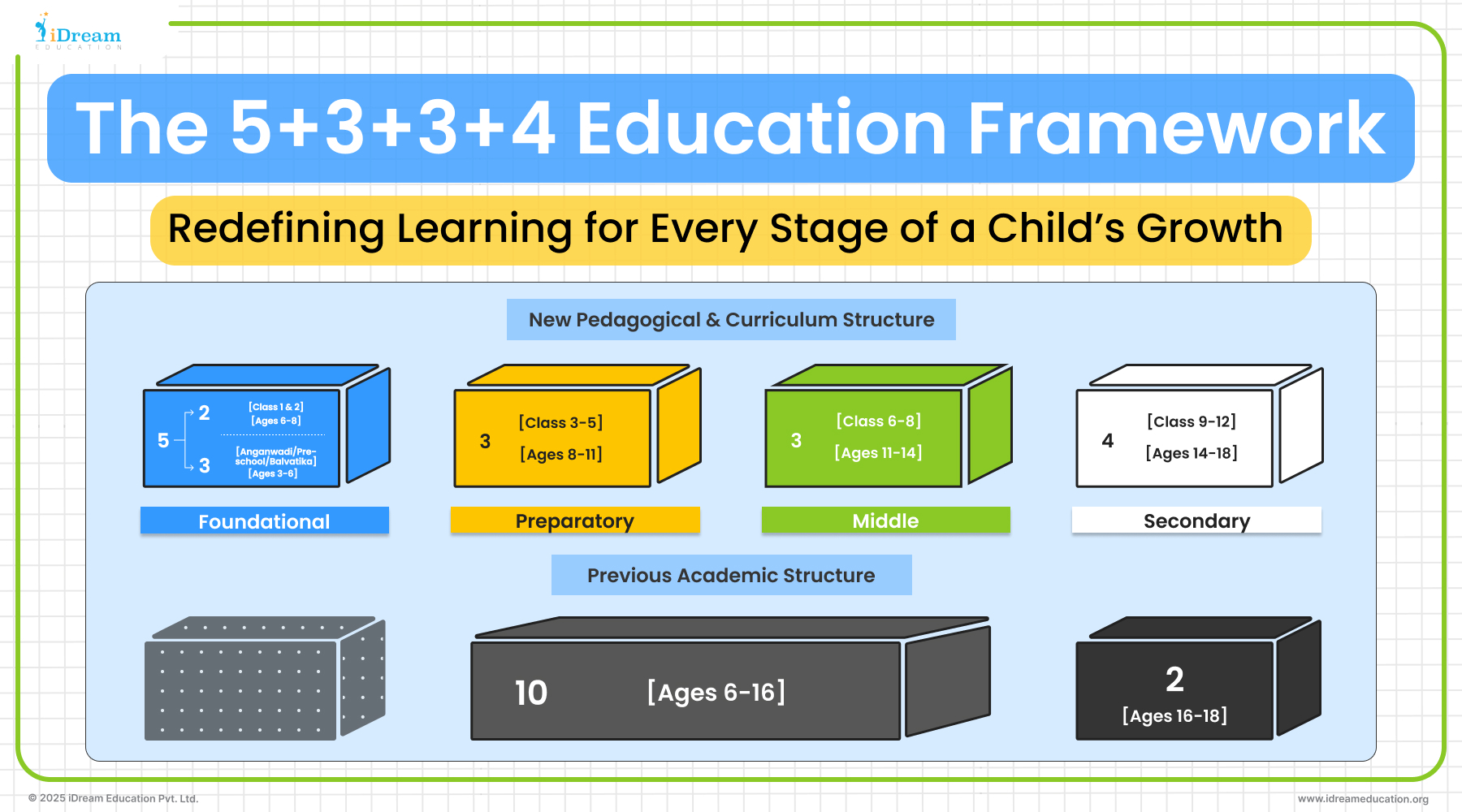
The overhaul would go far beyond routine syllabus revision and would usher in structural changes in school education, with greater emphasis on skill-based learning, reduced academic burden and semester-based assessments, the minister said.
“From the 2028 academic session, everything — from the curriculum to textbooks — will change for Classes 1 to 12. Preparatory work has already begun,” Barman told reporters at the Education Department headquarters, Bikash Bhavan.
He, however, clarified that no major changes would be introduced immediately and that only limited revisions to existing syllabi would be carried out in the interim based on the syllabus committee’s recommendations.
The minister declined to specify which chapters or subjects would be dropped or added, saying those decisions would be taken by the expert committee framing the new curriculum.
The announcement marks a significant policy shift after years of confrontation between the previous Trinamool Congress government and the Centre over the implementation of the NEP, which was approved in 2020 but never adopted in West Bengal under the Mamata Banerjee administration.
The BJP government, which came to power this year, has repeatedly said aligning the state’s education system with the NEP would be among its priorities.
Officials said the proposed curriculum would focus on making education more employment-oriented and competency-based, in keeping with the broad framework of the national policy.
Semester-based evaluation is also proposed to be introduced across school classes, while the curriculum would be adapted to Bengal’s educational requirements.
Although the government has not disclosed the proposed content changes, the exercise is expected to trigger political debate, with sections of the academic community already speculating over possible revisions in history and social science content, particularly relating to the Mughal period.
The minister, however, refrained from commenting on such issues.
In another significant initiative, the state government signed a memorandum of understanding with the National Institute of Open Schooling (NIOS) under the Samagra Shiksha Mission to reduce school dropouts, particularly among children of migrant workers.
Barman said the arrangement would ensure continuity of education even if students shifted from one state to another.
“If a student registers with NIOS in one state and later migrates elsewhere with the family, the child can continue studies and appear for examinations from the new location in the mother tongue,” he said.
The minister said the platform would also enable adults and those who had discontinued formal education to resume their studies.
He said the government plans to expand NIOS learning centres up to the gram panchayat level to improve access to flexible schooling across rural Bengal.
Officials said the NIOS framework would cover education from the elementary level to Classes 10 and 12, allowing learners to complete courses at their own pace within a maximum period of five years.
The certificates would carry the same statutory recognition as those issued by state boards, CBSE and CISSE for higher education and employment.
Addressing another politically sensitive issue, Barman said the government would not prescribe any specific colour for school uniforms, leaving the decision to individual institutions.
“There is no objection if a school wants to retain blue-and-white uniforms. The choice of colour is for the school authorities. However, the ‘Biswa Bangla’ logo cannot be used,” he said.
The remarks are expected to temper speculation over a wholesale replacement of the blue-and-white colour scheme introduced during the previous TMC regime, under which the colour became a prominent visual identity across government buildings, infrastructure and school uniforms.
Since assuming office, the BJP government has begun removing the Biswa Bangla branding from government institutions and has initiated changes in the colour scheme of several state buildings, arguing that government property should not carry political symbolism.
With Thursday’s announcements, the government signalled that while it intends to dismantle key policy markers of the previous regime — particularly in education and official branding — it would seek to distinguish between political symbolism and institutional autonomy, allowing schools to retain their traditional identity even as the state’s education architecture undergoes its most extensive overhaul in decades.
0 Response to "West Bengal to implement revised school curriculum from 2028 under NEP framework"
Post a Comment
Disclaimer Note:
The views expressed in the articles published here are solely those of the author and do not necessarily reflect the official policy, position, or perspective of Kalimpong News or KalimNews. Kalimpong News and KalimNews disclaim all liability for the published or posted articles, news, and information and assume no responsibility for the accuracy or validity of the content.
Kalimpong News is a non-profit online news platform managed by KalimNews and operated under the Kalimpong Press Club.
Comment Policy:
We encourage respectful and constructive discussions. Please ensure decency while commenting and register with your email ID to participate.
Note: only a member of this blog may post a comment.