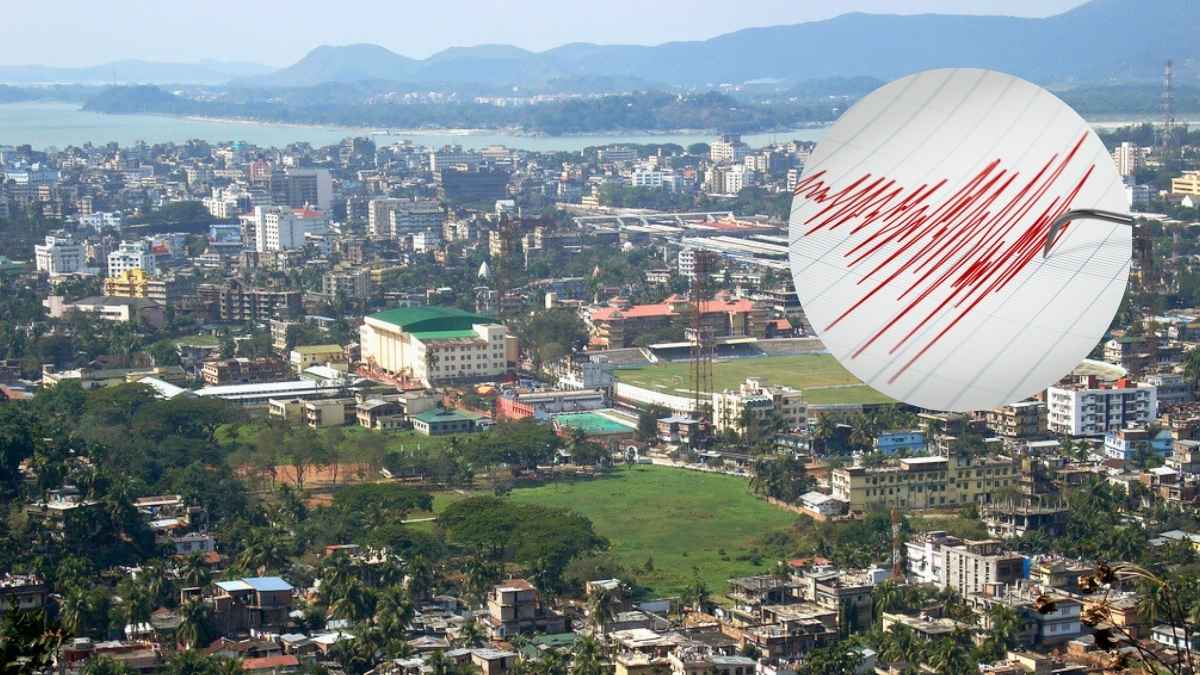
The National Centre for Seismology (NCS) confirmed the earthquake's details, reporting the epicenter at 26.37°N latitude and 92.29°E longitude in Morigaon, Assam, at a depth of 50 kilometers. The earthquake occurred at 4:17 AM, shaking the ground and causing widespread panic as people rushed out of their homes, particularly in the city of Shillong. The tremors were so intense that residents reported rattling doors, windows, and objects falling off shelves. In Shillong, the shaking was the most severe, making this the strongest earthquake to hit the city in recorded history.
While the immediate aftermath caused widespread fear, there have been no reports of casualties or significant damage to property so far. Local authorities are working closely with disaster management teams to monitor the situation and provide updates. Despite the initial panic, the tremors lasted for only a few seconds, and the situation has since stabilised. However, aftershocks are common following significant earthquakes, and experts are urging residents to stay alert for any further seismic activity.
In neighbouring Bangladesh, the earthquake was also felt in Sylhet and the surrounding districts. Reports from Sylhet confirmed the occurrence of two distinct tremors within a short period. The first tremor, measured at a magnitude of 5.2, struck at 4:47 AM, followed by a second tremor of 5.4 magnitude just seconds later. The tremors were clearly felt in Sylhet, and social media reports confirmed the noticeable shaking, though it was brief. This sequence of tremors, originating from the same seismic event in Assam, spread across multiple regions, adding to the region’s unease.
Geologists attribute the frequent seismic activity in the region to the ongoing collision between the Indian Plate and the Eurasian Plate. This tectonic activity makes the region prone to moderate and strong earthquakes, with experts noting that while earthquakes in the 5 to 6 magnitude range generally do not cause widespread destruction, older or structurally weak buildings are at greater risk. The tremors were felt across Assam, Meghalaya, Arunachal Pradesh, and parts of West Bengal, as well as neighbouring countries, highlighting the region’s vulnerability to seismic events.
Authorities are continuing to monitor the situation, and disaster management teams remain on high alert. While no major infrastructure damage has been reported, experts are focusing on ensuring that safety measures are in place for any aftershocks. With the Northeast’s classification as Seismic Zone VI, an area at high risk for earthquakes, this event is a stark reminder of the importance of preparedness and earthquake-resistant construction in the region.
Health professionals also noted that the shockwaves from the earthquake could have physical and mental health impacts, particularly among vulnerable groups such as children, the elderly, and people with pre-existing conditions. Stress, anxiety, and panic attacks are common reactions following such seismic events, and residents are being urged to take care of their mental well-being in addition to ensuring their physical safety.
As the situation remains under close watch, experts have cautioned that aftershocks may occur in the coming hours, with the possibility of tremors being felt in nearby active fault areas such as Bangladesh, Myanmar, and Bhutan. The government has appealed to the public to remain calm and stay informed through official channels, as rumors and misinformation can exacerbate the situation.
This powerful earthquake in Shillong serves as an urgent reminder of the seismic risks that continue to affect the Northeast region. With an increasing frequency of such events, experts are emphasising the need for heightened awareness, improved infrastructure, and greater disaster preparedness to ensure the safety of residents in the region.

0 Response to "Shillong Hit by Rare 5.1 Magnitude Earthquake as 2026 Begins, Tremors Felt Across Northeast India and Beyond"
Post a Comment
Disclaimer Note:
The views expressed in the articles published here are solely those of the author and do not necessarily reflect the official policy, position, or perspective of Kalimpong News or KalimNews. Kalimpong News and KalimNews disclaim all liability for the published or posted articles, news, and information and assume no responsibility for the accuracy or validity of the content.
Kalimpong News is a non-profit online news platform managed by KalimNews and operated under the Kalimpong Press Club.
Comment Policy:
We encourage respectful and constructive discussions. Please ensure decency while commenting and register with your email ID to participate.
Note: only a member of this blog may post a comment.