
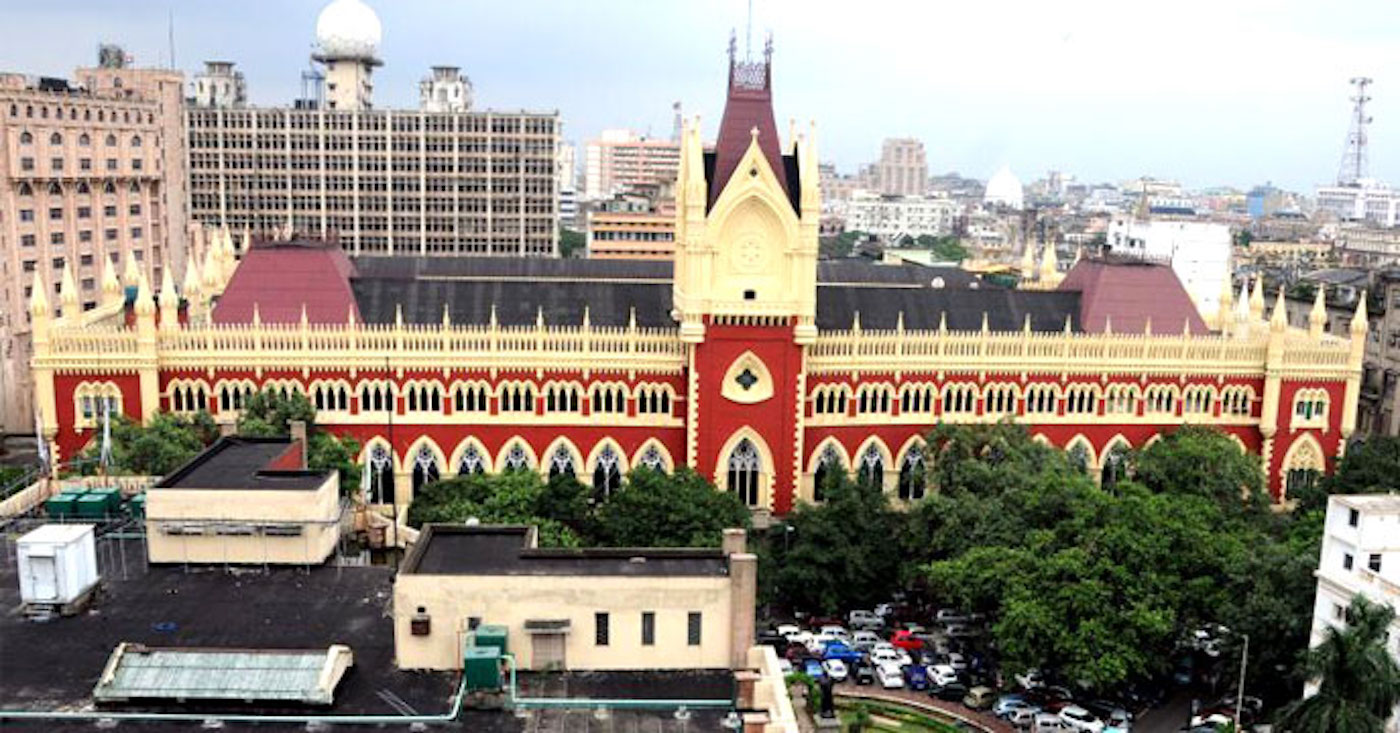
Calcutta High Court Overturns 2019 Appointment of 313 GTA Teachers of 91 schools Amid Allegations of Corruption
The court found the appointment process to be deeply flawed, ruling that the regularisation of the 313 voluntary teachers was illegal. This decision follows a thorough review of the proceedings and testimonies from various officials. The original order to regularise these appointments was issued on 8th March 2019 by the Principal Secretary, School Education Department, Government of West Bengal. However, the court noted that the teachers had not been appointed via a public advertisement, nor had they met the necessary qualifications at the time of their initial engagement, such as the mandatory B.Ed qualification for secondary and higher secondary education.
The court specifically pointed out that the appointments were irregular, as the West Bengal Central School Service Commission (WBCSSC) had not been consulted as per the prescribed legal norms. The West Bengal School Service Commission (WBCSSC) is responsible for recommending teacher appointments in government-aided schools, as stipulated under the West Bengal Central School Service Commission Act of 1997. Furthermore, the court noted that many teachers were recruited despite the existence of a directive from the Education Department that prohibited such appointments without proper approval.
This case has exposed a series of procedural violations in the recruitment process, with allegations of political interference and corruption emerging. A key figure in the controversy is Sri Pran Gobinda Sarkar, the former District Inspector of Schools for Darjeeling. According to the court's findings, Sarkar had approved the appointments under significant pressure from political figures, particularly from Binoy Tamang, the then-Chairman of the GTA Board of Administrators. Sarkar admitted that he had been aware that the regularisation was not in compliance with the established procedures but proceeded with the approvals under duress.
Additionally, a Criminal Investigation Department (CID) probe into the matter uncovered evidence of bribery and corruption, implicating senior political figures. Prominent names such as Partha Chatterjee, the former Education Minister of West Bengal, and Binoy Tamang were linked to the scandal. The CID investigation also revealed that many of the 313 teachers did not meet the qualifications required for their positions, and the appointments had not followed the due process, including the lack of necessary approval from the state government and the WBCSSC.
The Court also addressed the plight of other volunteer teachers who were excluded from the list of 313. Some of them had filed petitions seeking regularisation, arguing that they had been working in their respective schools for years but were overlooked during the 2019 regularisation process. Justice Bibek Chaudhuri, in an earlier order, had directed the District Inspector of Schools in Darjeeling to consider the case of a petitioner who had been replaced by another teacher during the regularisation process. The court directed that, in the interest of fairness, all relevant documents and testimonials regarding the petitioner's initial appointment and qualifications should be examined, and if found in order, the petitioner should be regularised within two months.
The list of 313 teachers affected by this ruling includes 208 from Darjeeling district and 105 from Kalimpong district. These teachers were spread across 91 schools operating under the GTA’s Education Department. The affected schools include those in Darjeeling Sadar (154 teachers across 46 schools) , Kurseong (53 teachers across 15 schools), and Kalimpong (106 teachers across 29 schools), with specific mention of schools that had a higher number of implicated teachers. Notably, Bagrakote Higher Secondary School, Rongo Higher Secondary School, and Rabindranath Higher Secondary School have the highest number of implicated teachers, with 12, 9, and 9 teachers, respectively, and Bhanu High School and Ghoom Boys Higher Secondary School with 8 teachers each.
While the state government initially defended the appointments as a necessary measure to ensure continuity in education, it acknowledged that procedural lapses had occurred. However, it denied any systematic corruption. The court, however, was unyielding in its stance, ordering the immediate annulment of the appointments and rejecting the plea for a stay on the order. The court's ruling also stressed the involvement of several political figures in facilitating these irregular appointments, raising serious concerns about the transparency and fairness of the recruitment process.
The decision comes after an investigation revealed significant irregularities in the recruitment process, with the CID uncovering evidence of political interference and bribery. The investigation implicated several influential figures, including former GTA leader Binoy Tamang, who was accused of pressuring officials to approve the appointments without following due procedure.
In response to the court's ruling, the State Education Department has been tasked with ensuring that the 313 teachers' appointments are cancelled, and their salaries, which were previously regularised, are suspended. This follows an earlier order by the Calcutta High Court in April 2025, which directed the suspension of the teachers' salaries due to the illegal nature of their appointments. However, this suspension was deferred following an appeal from the GTA.
The fallout from this case raises significant questions about the integrity of teacher recruitment in the GTA and the wider implications for the education system in West Bengal. The controversy highlights the need for stricter oversight and transparency in public service appointments, particularly in regions where political influence may compromise the fairness of recruitment processes.
This case is part of a broader pattern of scrutiny surrounding teacher appointments in the region, which has seen the cancellation of nearly 24,000 teaching and non-teaching jobs in previous years due to allegations of corruption. As investigations continue, there are mounting calls for greater accountability within the education sector and for institutional reforms that ensure the integrity of public service recruitment processes.
The implications of the Calcutta High Court's decision are far-reaching, as it not only affects the 313 teachers directly involved but also signals a strong message about the importance of adherence to established procedures and the need to root out corruption and political interference in public service appointments. The education sector in West Bengal is expected to remain under intense scrutiny in the coming months, with this case likely serving as a landmark moment in the ongoing battle for transparency and accountability in the recruitment of teachers.
0 Response to "Calcutta High Court Overturns 2019 Appointment of 313 GTA Teachers of 91 schools Amid Allegations of Corruption"
Post a Comment
Disclaimer Note:
The views expressed in the articles published here are solely those of the author and do not necessarily reflect the official policy, position, or perspective of Kalimpong News or KalimNews. Kalimpong News and KalimNews disclaim all liability for the published or posted articles, news, and information and assume no responsibility for the accuracy or validity of the content.
Kalimpong News is a non-profit online news platform managed by KalimNews and operated under the Kalimpong Press Club.
Comment Policy:
We encourage respectful and constructive discussions. Please ensure decency while commenting and register with your email ID to participate.
Note: only a member of this blog may post a comment.