
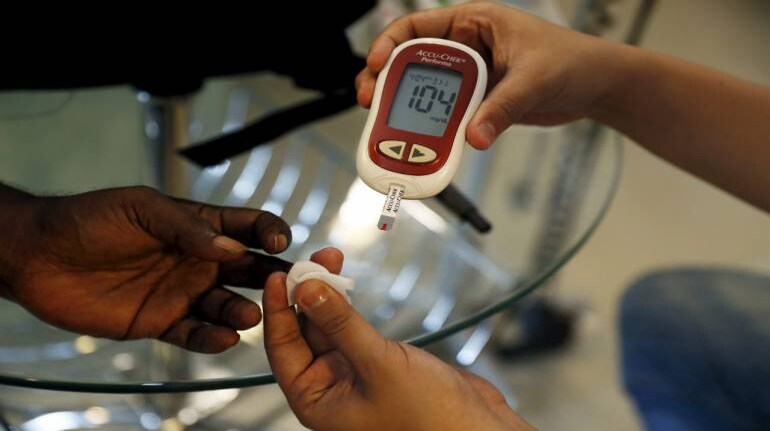
Why the Health Crisis Is Rising Among Young Indian Adults: Diabetes on the Rise
Type 2 Diabetes
Diabetes continues to be a growing concern for the world, including India, which is often referred to as the diabetes capital of the world. According to the International Diabetes Federation, the prevalence of diabetes in the world will grow from about 11 percent of adults in 2024 to about 13 percent by 2050. In fact, according to the World Health Organization, it is one of the only non-communicable diseases for which the probability of dying from it continues to grow.
What is even more concerning is the fact that multiple studies have shown a significant rise in diabetes among India’s young adults, making it all the more important to understand what is driving this surge and what can be done to prevent it.
What is the Diabetes Burden in the World and India?
According to the International Diabetes Federation, the number of adults aged between 20-79 years living with diabetes had grown manifold, from about 15 crore in 2000 to about 59 crore in 2024, and this number is expected to rise further to over 85 crore by 2050. This means that the prevalence of diabetes is also expected to grow from about 11 percent to 13 percent by 2050.
Their projections also show that India, too, is expected to see a surge in the diabetes burden. Currently, India is second only to China when it comes to the number of adults with diabetes—about 9 crore people living with diabetes in 2024, indicating a 10.5 percent prevalence. This is expected to rise further to 16 crore by 2050.
In fact, according to the WHO, "since 2000, mortality rates from diabetes have been increasing. By contrast, the probability of dying from any one of the four main non-communicable diseases (cardiovascular diseases, cancer, chronic respiratory diseases, or diabetes) between the ages of 30 and 70 decreased by 20% globally between 2000 and 2019."
What is even more concerning is that while diabetes was once seen as an ailment that affected those above 40, it is now rapidly affecting younger generations, people in their 20s and 30s. This shift is alarming, as early-onset diabetes tends to be more aggressive and can lead to complications such as kidney failure, heart disease, and vision loss much earlier in life.
Why is Diabetes Increasing in Young Adults in India?
Diabetes among young adults aged 18 to 40 has become one of India’s most pressing health concerns. Traditionally associated with older age, type 2 diabetes is now affecting people at an age when they should ideally be at the peak of their health and productivity.
A 2022 cross-sectional study from eastern India reviewed medical records of 3,564 type 2 diabetes mellitus (T2DM) patients between March 2018 and March 2019. The study revealed that 20.7 percent of patients were 40 years or younger, highlighting the worrying rise among young adults. It found that overweight or obesity (74.3 percent) and high LDL-cholesterol (69.2 percent) were the two most common additional cardiovascular risk factors among these patients.
The researchers wrote, “At least one additional CV risk factor was present in 576 (95.36 percent) patients, whereas at least two additional CV risk factors were present in 409 (67.7 percent) patients. At least one non-obesity/overweight CV risk factor was present in 472 (78.1 percent) patients.”
Dr. Rajiv Kovil, Head of Diabetology and Weight Loss Expert at Zandra Healthcare, explained that insulin resistance and even MASLD (Metabolic Dysfunction-Associated Steatotic Liver Disease) are now being observed in school-going children. “This trend has been there for some time,” Dr. Kovil said. “But now, the data clearly show insulin resistance and MASLD even among children. Among adolescents and adults, around 12% of boys and about 8% of girls are either pre-diabetic or diabetic.”
He attributed part of this trend to what he called the “thin-fat phenotype” of Indians, an evolutionary and genetic trait unique to the population. “Indians are often referred to as ‘thin-fat’,” he explained. “It means that, genetically, our bodies are programmed to store energy efficiently. Centuries ago, our ancestors often faced food scarcity, so the body evolved what’s called the thrifty gene hypothesis—a mechanism that allows energy to be stored in the liver and fat tissues for survival.”
However, he warned that these once-beneficial genes have turned maladaptive in the modern world. “When this population, equipped with thrifty genes, suddenly gained access to energy-dense foods, sedentary lifestyles, and ultra-processed diets in the 1990s, these same genes started working against us,” he noted. “Instead of helping us survive, they began causing excess fat deposition in the liver and other organs, leading to insulin resistance and metabolic complications.”
A 2024 longitudinal study examined the prevalence and incidence of type 2 diabetes and its associated risk factors among younger (20 to 39 years) and older (40 years and above) adults over a ten-year period. The study found a clear rise in diabetes prevalence in both groups, with a steeper increase among the younger population.
The study concluded that, “A higher percentage increase in prevalence of T2DM was seen among younger individuals over a 10‐year period. Obesity and family history of diabetes were shown to be the primary contributing factors for the rise in prevalence.”
Dr. Kovil pointed out that socioeconomic, lifestyle, and environmental factors have all contributed to this crisis. “Childhood obesity is now a major concern—around four to five percent of young children are grossly obese,” he said. “Environmental pollution has also been linked to insulin resistance and reduced beta-cell function, although we still need large randomized controlled trials to establish this relationship.”
He also observed a clear post-pandemic shift, noting that diabetes is being diagnosed at much younger ages. “After the pandemic, we noticed that the average age of new diabetic patients has come down by a few years,” Dr. Kovil shared. “During lockdowns, people were far more sedentary. And after COVID, with increased health awareness and routine checkups, many undiagnosed cases of diabetes were unmasked. Now, we are seeing Type 2 diabetes even in the 15–25 age group, which was rare a decade ago.”
Modern lifestyles and easy access to unhealthy food have, according to him, accelerated the problem further. “Eating patterns have changed drastically. Children spend more time on screens and less time being active,” he said. “Food delivery apps like Swiggy and Zomato have worsened this burden. Earlier, people had to step out or make an effort to get food late at night—now, energy-dense and ultra-processed foods are available 24x7 at the tap of a button.”
He added that while these apps technically offer healthy options, “they are rarely promoted or encouraged.” “Easy access to high-calorie food at the wrong hours has laid the foundation for non-communicable diseases. The combination of convenience, poor diet, and inactivity is a dangerous mix,” Dr. Kovil added.
In fact, a 2025 cross-sectional study focusing on individuals aged 18 to 40 revealed that the overall prevalence of young-onset type 2 diabetes was 17.2 percent. Of these, 11.3 percent were already diagnosed, while 5.8 percent were newly detected cases.
The study found that most of these young adults were physically inactive. The most common barriers to exercise identified were lack of time, lack of willpower, and lack of energy.
The researchers concluded, “This study reveals a high prevalence of type 2 diabetes below the age of 40 years in India. Screening for diabetes by the age of 25 years is highly recommended. Management strategies are needed to overcome the identified barriers and promote physical activity in young adults.”
Do We Have a Solution?
The Ministry of Health and Family Welfare, through the National Programme for Prevention and Control of Non-Communicable Diseases (NP-NCD) under the National Health Mission (NHM), has launched several proactive measures to tackle diabetes.
According to a ministry press release, “The Government of India, under the NP-NCD, provides technical and financial assistance to states and UTs through the National Health Mission (NHM). Support is allocated based on state and UT proposals with a focus on prevention and management of diabetes and other non-communicable diseases.”
743 District NCD Clinics and 6,237 Community Health Centre NCD Clinics have been established across the country to provide local-level care and early diagnosis. The government has also implemented a population-based screening initiative targeting individuals over 30 years of age for diabetes, hypertension, and certain cancers through Ayushman Arogya Mandirs.
These centres focus on preventive health practices, conduct community-based wellness programs, and offer free screening services. Awareness campaigns are organised on national and international health days, using both traditional and digital media.
The Ministry also highlighted the role of lifestyle modification and nutrition in preventing diabetes. It stated, “Healthy lifestyle promotion includes guidance from the Food Safety and Standards Authority of India (FSSAI) on nutrition. The Fit India Movement, led by the Ministry of Youth Affairs and Sports, and yoga programs from the Ministry of AYUSH encourage active and healthy lifestyles.”
Under the NP-NCD, states receive financial assistance for awareness and education campaigns. The NHM’s Free Drugs Service Initiative ensures free essential medicines, including insulin, for economically weaker groups. Through the Pradhan Mantri Bhartiya Janaushadhi Pariyojana
0 Response to "Why the Health Crisis Is Rising Among Young Indian Adults: Diabetes on the Rise"
Post a Comment
Disclaimer Note:
The views expressed in the articles published here are solely those of the author and do not necessarily reflect the official policy, position, or perspective of Kalimpong News or KalimNews. Kalimpong News and KalimNews disclaim all liability for the published or posted articles, news, and information and assume no responsibility for the accuracy or validity of the content.
Kalimpong News is a non-profit online news platform managed by KalimNews and operated under the Kalimpong Press Club.
Comment Policy:
We encourage respectful and constructive discussions. Please ensure decency while commenting and register with your email ID to participate.
Note: only a member of this blog may post a comment.