
Nepal Erupts: Gen Z-Led Protests Over Social Media Ban and Corruption Leave 19 Dead, Hundreds Injured
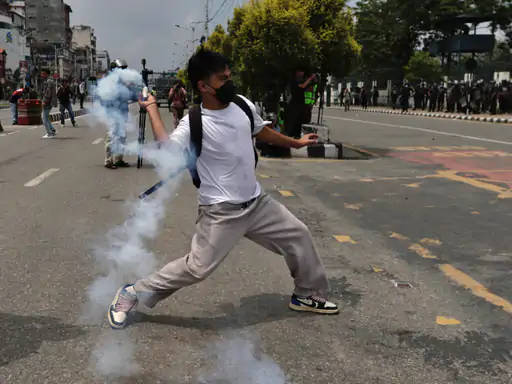
According to officials, at least 19 people have died and more than 250 have been injured in the clashes, which saw security forces resorting to water cannons, tear gas, rubber bullets, and live ammunition. Hospitals across Kathmandu, including Bir Hospital, Civil Hospital, KMC Hospital, and the National Trauma Center, have been overwhelmed with the wounded. A curfew has been declared in key areas of the capital—including around Parliament, the presidential and vice-presidential residences, and the prime minister’s office—while “shoot-at-sight” orders were issued to contain further escalation.
The crisis was triggered by the Oli government’s decision on September 3 to ban 26 unregistered social media platforms, including Meta-owned Facebook, Instagram, WhatsApp, and Alphabet’s YouTube. Authorities said the platforms had failed to comply with Nepal’s new registration rules, which required companies to open local offices, designate grievance officers, and pay taxes. Only a handful, such as TikTok and Viber, had registered before the deadline expired.
While officials framed the move as an assertion of sovereignty and a safeguard against cybercrime, critics and protestors denounced it as an attack on free expression and a shield for corrupt elites. For millions of Nepalis—90 percent of whom are internet users—the sudden blackout disrupted communication, especially for the 7.5 percent of the population working abroad who rely heavily on messaging apps to stay in touch with families.
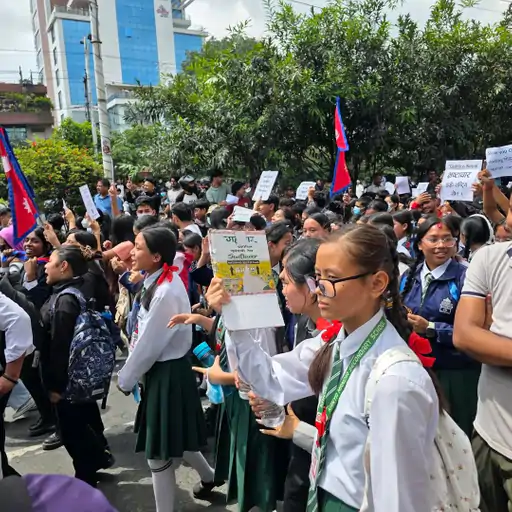
What began as online dissent quickly spilled onto the streets. Viral TikTok and Reddit campaigns under hashtags like #NepoKids and #NepoBabyNepal highlighted stark inequalities, juxtaposing the lavish lifestyles of politicians’ children with the struggles of ordinary citizens. Videos of elite youths flaunting designer labels and foreign trips contrasted sharply with the reality of Nepali migrant workers, whose remittances contribute over a third of the national GDP. “The leaders’ children return from abroad with Gucci bags, the people’s children in coffins,” read one placard in the crowd.
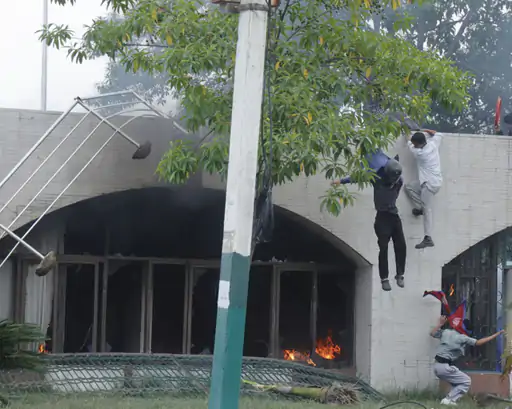
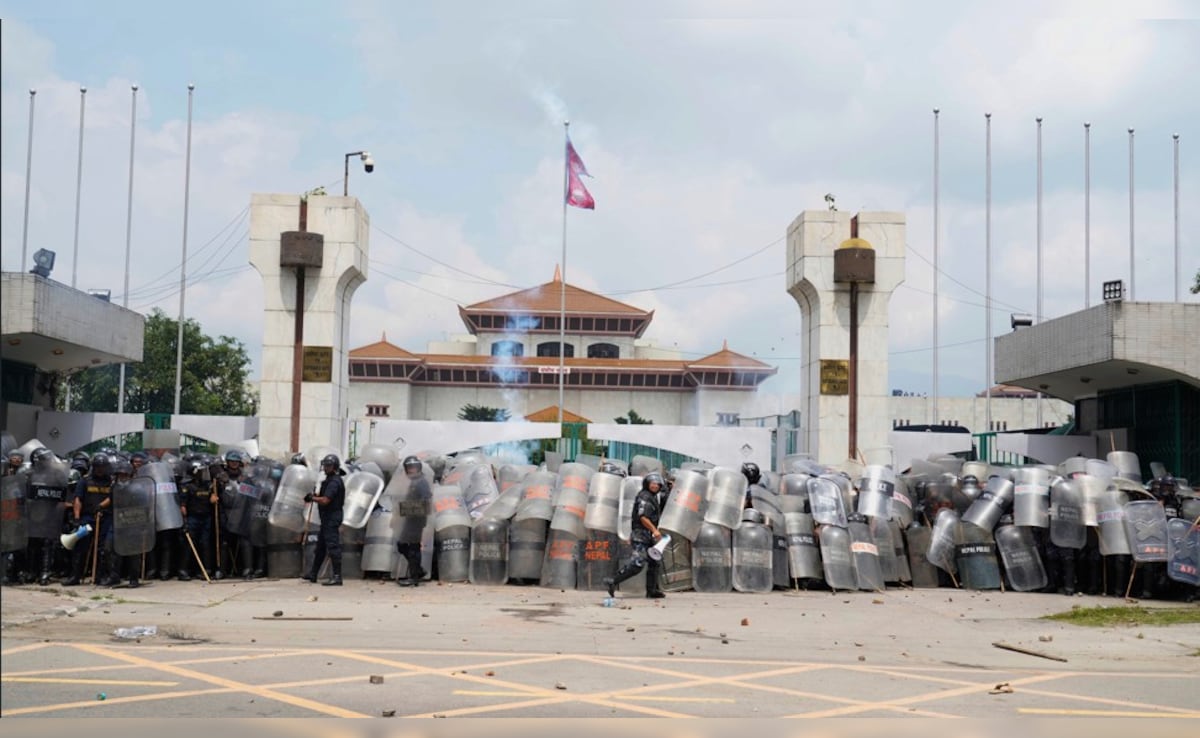
On Monday, over 12,000 young demonstrators gathered at Maitighar Mandala, chanting slogans like “Stop corruption, not social media”. When they marched toward Parliament, security forces clashed with them, and violence quickly escalated. Eyewitnesses reported police firing live rounds after being overpowered. Protesters, some in school uniforms, responded by hurling water bottles and branches, and several set fire to parts of the Parliament gate.
The movement, dubbed “The Final Revolution” by participants, remains leaderless but is gaining nationwide traction. Curfews have now been imposed not just in Kathmandu but also in Pokhara, Butwal, Bhairahawa, and Itahari, as unrest spreads. India has reinforced security along its border with Nepal, with the Sashastra Seema Bal stepping up surveillance.
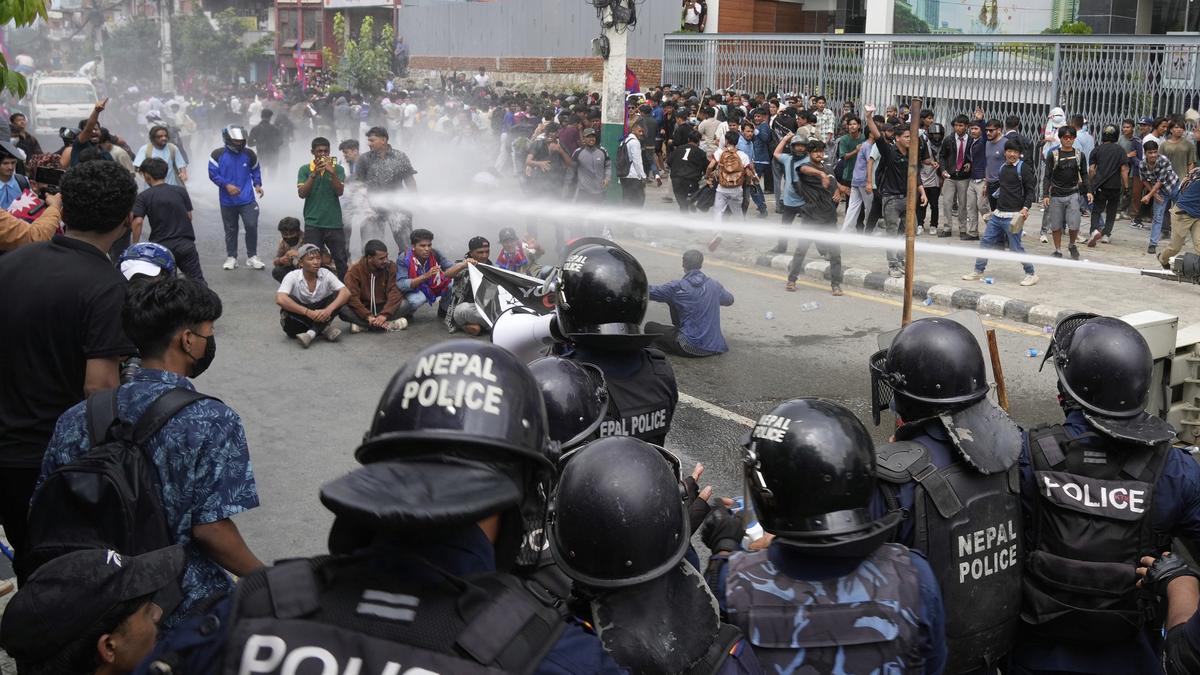
Despite heavy security deployment, the protests are intensifying, amplified by celebrity endorsements. Kathmandu Mayor Balen Shah and cultural icons like actors Hari Bansha Acharya and Madan Krishna Shrestha have openly backed the movement. Singer Prakash Saput even donated funds to demonstrators. International rights groups have warned that the government’s measures risk stifling free speech and inflaming instability further.
Prime Minister KP Sharma Oli defended the ban, insisting it was not against social media per se but against foreign companies “doing business in Nepal without complying with the law” and undermining national dignity. Critics, however, view it as an attempt to suppress dissent at a time of deepening economic hardship and rising youth unemployment, which stands at nearly 20 percent.
As the protests rage on, Nepal faces a defining moment. What began as anger over blocked apps has become a generational revolt against entrenched corruption, inequality, and authoritarian governance. With the army on the streets, cabinet meetings underway, and public fury refusing to ebb, the standoff between Gen Z and the state may reshape Nepal’s political landscape in ways unseen since the monarchy’s fall.
0 Response to " Nepal Erupts: Gen Z-Led Protests Over Social Media Ban and Corruption Leave 19 Dead, Hundreds Injured"
Post a Comment
Disclaimer Note:
The views expressed in the articles published here are solely those of the author and do not necessarily reflect the official policy, position, or perspective of Kalimpong News or KalimNews. Kalimpong News and KalimNews disclaim all liability for the published or posted articles, news, and information and assume no responsibility for the accuracy or validity of the content.
Kalimpong News is a non-profit online news platform managed by KalimNews and operated under the Kalimpong Press Club.
Comment Policy:
We encourage respectful and constructive discussions. Please ensure decency while commenting and register with your email ID to participate.
Note: only a member of this blog may post a comment.