
Thyroid Disorders: Why Early Detection, Proper Medication, and Lifestyle Discipline Can Change Your Life
Feature Report:
Once thyroid problems appear, they often prove stubborn to manage — particularly for those diagnosed only after the condition has significantly progressed. Many patients report that even after taking thyroid medication for a long time, they see little improvement. Endocrinologists warn that this often happens because certain crucial guidelines are not followed when taking thyroid medicine. Even a small mistake in routine can make treatment less effective.
Essential rules when taking thyroid medication
-
Avoid eating or drinking anything, even tea or coffee, within one hour of taking the medicine.
-
Take your medicine at the same time every day — ideally on an empty stomach in the morning. If taken with or after food, the body may not absorb it properly.
-
Never take iron, calcium, or vitamin supplements at the same time as your thyroid medicine.
-
Avoid high-calcium foods within three hours of taking your medication.
Understanding Hyperthyroidism
Hyperthyroidism is a serious condition that affects millions worldwide. It occurs when the thyroid gland produces more thyroid hormones than the body needs, speeding up metabolism and impacting various organ systems — especially the heart, nervous system, and hormonal balance.
Causes include:
-
Graves’ disease – the most common cause, an autoimmune disorder that overstimulates the thyroid.
-
Thyroid nodules – one or more lumps that produce excess hormones.
-
Thyroiditis – inflammation of the thyroid, often temporary.
-
Excess iodine intake – from diet or medication.
-
Overuse of thyroid hormone medication – especially in hypothyroidism treatment.
Symptoms may include:
-
Rapid heartbeat or palpitations
-
Unexplained weight loss
-
Excessive sweating or heat intolerance
-
Insomnia, anxiety, or irritability
-
Tremors in the hands
-
Irregular menstrual cycles in women
-
Bulging eyes (in Graves’ disease)
-
Weakness or fatigue
Diagnosis methods:
-
Blood tests – Elevated T3 and T4, with low TSH.
-
Thyroid antibody tests – To detect Graves’ disease.
-
Thyroid scan or ultrasound – To assess structure and function.
Treatment options:
-
Anti-thyroid drugs (e.g., carbimazole, propylthiouracil) to reduce hormone production.
-
Beta-blockers to manage palpitations and tremors.
-
Radioactive iodine therapy to shrink or destroy thyroid tissue.
-
Surgery in resistant cases.
Lifestyle recommendations:
-
Limit iodine-rich foods.
-
Reduce caffeine intake.
-
Maintain a regular sleep schedule and manage stress.
-
Take medicines exactly as prescribed and attend regular follow-ups.
Without timely treatment, hyperthyroidism can lead to heart disease, bone loss, and severe psychological distress.
Thyroid Health Across Life Stages
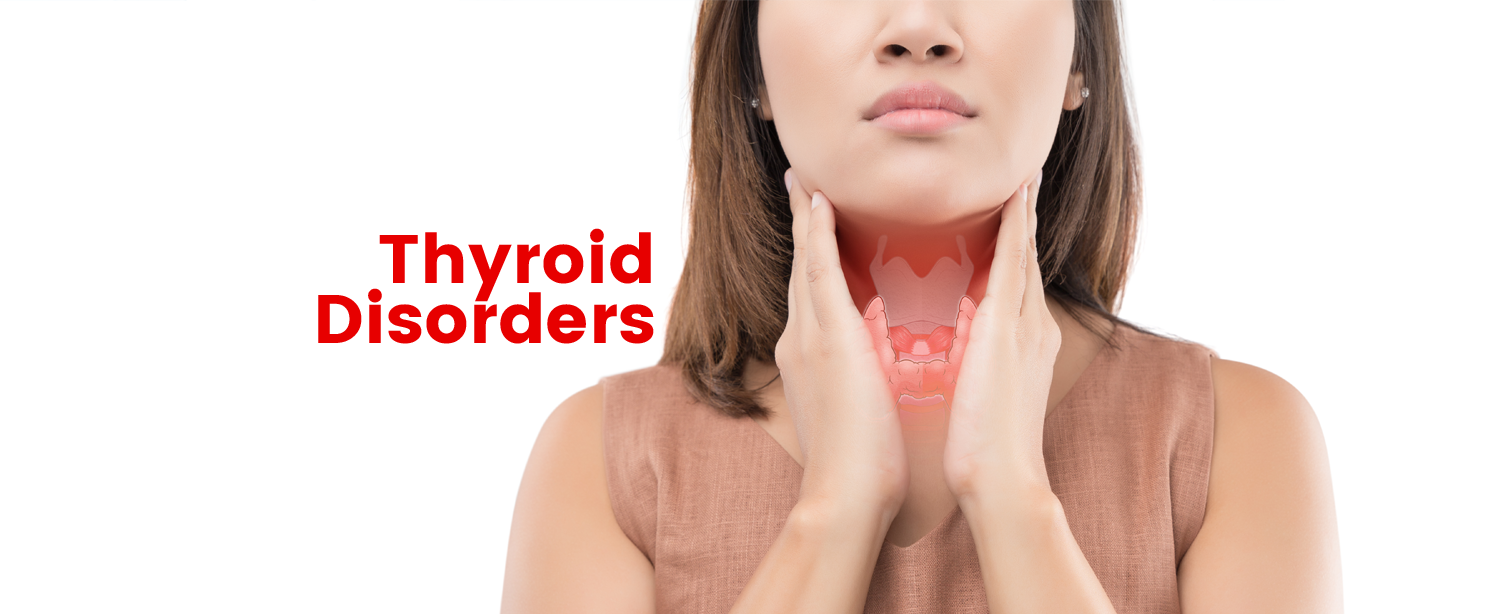
Endocrinologists explain that the thyroid, a small butterfly-shaped gland in the front of the neck, produces two vital hormones — thyroxine (T4) and triiodothyronine (T3). These control metabolic rate and influence heart rate, digestion, body temperature, and brain activity.
-
In children, thyroid hormones are crucial for physical and cognitive development. Congenital hypothyroidism (absent or underactive thyroid at birth) can cause irreversible brain damage and growth issues if untreated — but early screening can prevent complications.
-
In pregnancy, thyroid demand increases. Both hypothyroidism and hyperthyroidism can cause miscarriage, premature birth, low birth weight, and complications like pre-eclampsia. Maternal hypothyroidism can impair the baby’s brain development. High-risk women should be screened early.
-
In adults, hypothyroidism may cause depression, fatigue, constipation, memory issues, and weight gain — often mistaken for normal ageing. Older adults may develop “apathetic hyperthyroidism,” showing unusual weight loss and heart rhythm issues.
-
In seniors, both overactive and underactive thyroid function significantly affect cardiovascular health, making screening more relevant with age.
Common Thyroid Disorders
-
Hypothyroidism – Underactive thyroid, often due to Hashimoto’s thyroiditis.Symptoms: fatigue, weight gain, cold intolerance, constipation, dry skin/hair, depression, irregular menstruation, infertility.
-
Hyperthyroidism – Overactive thyroid, as described above.
-
Sub-acute thyroiditis – Temporary inflammation, usually after viral infection, causing pain and fluctuating hormone levels.
-
Goitre – Visible enlargement of the thyroid due to iodine deficiency or autoimmune conditions, sometimes causing swallowing or breathing difficulties.
-
Thyroid cancer – Increasingly detected; often treatable with surgery and follow-up.Symptoms: persistent neck lump, voice changes, difficulty swallowing, rapidly growing swelling.
Who Should Get Tested?
-
Those with hypothyroid or hyperthyroid symptoms.
-
Pregnant women or those planning pregnancy.
-
People with a family history of thyroid disorders.
-
Type-1 diabetics.
-
Elderly individuals with unexplained fatigue, memory issues, or arrhythmia.
Basic blood tests (TSH, T3, T4) detect most imbalances. Thyroid antibody tests and ultrasound may be needed for diagnosis or monitoring.
Tips for a Healthy Thyroid
-
Check your neck – Stand before a mirror, tilt your head back, swallow, and look for swelling or irregularities.
-
Don’t ignore subtle symptoms – Fatigue, mood swings, hair thinning, or unexplained weight changes may signal thyroid issues.
-
Ensure adequate iodine – Use iodised salt, especially for children and women.
-
Plan pregnancies carefully – Screen thyroid function early in pregnancy or beforehand.
-
Take medicines consistently – Preferably at the same time each day, on an empty stomach.
Myth vs Fact:
-
Myth: Only women get thyroid problems.Fact: More common in women, but men can also be affected.
-
Myth: Weight gain always means hypothyroidism.Fact: Many factors affect weight; thyroid is just one.
-
Myth: Thyroid disorders are lifelong.Fact: Some types, like sub-acute thyroiditis, are temporary.
-
Myth: Thyroid medicine causes dependency.Fact: Hormone replacement is essential if your body can’t produce enough.
-
Myth: Normal TSH means you can stop medication.Fact: It often means your current dose is right, not that the condition has resolved.
The thyroid may be small, but its influence is immense — from guiding a child’s brain development to supporting pregnancy, stabilising metabolism, and maintaining mental balance in older age. Recognising symptoms early, getting timely treatment, and following medical advice can transform lives, whether for a fatigued teenager, a worried new mother, or an ageing parent.
0 Response to " Thyroid Disorders: Why Early Detection, Proper Medication, and Lifestyle Discipline Can Change Your Life"
Post a Comment
Disclaimer Note:
The views expressed in the articles published here are solely those of the author and do not necessarily reflect the official policy, position, or perspective of Kalimpong News or KalimNews. Kalimpong News and KalimNews disclaim all liability for the published or posted articles, news, and information and assume no responsibility for the accuracy or validity of the content.
Kalimpong News is a non-profit online news platform managed by KalimNews and operated under the Kalimpong Press Club.
Comment Policy:
We encourage respectful and constructive discussions. Please ensure decency while commenting and register with your email ID to participate.
Note: only a member of this blog may post a comment.